A skincare clinic that already stocks serums should not need a second company to sell them after hours.
Until now, Smart Clinic inventory knew the product, and the website builder knew the homepage, and a visitor could not connect the two. Staff sold at the desk. The public site booked appointments. Retail after 9 p.m. meant Salla, Shopify, or nothing.
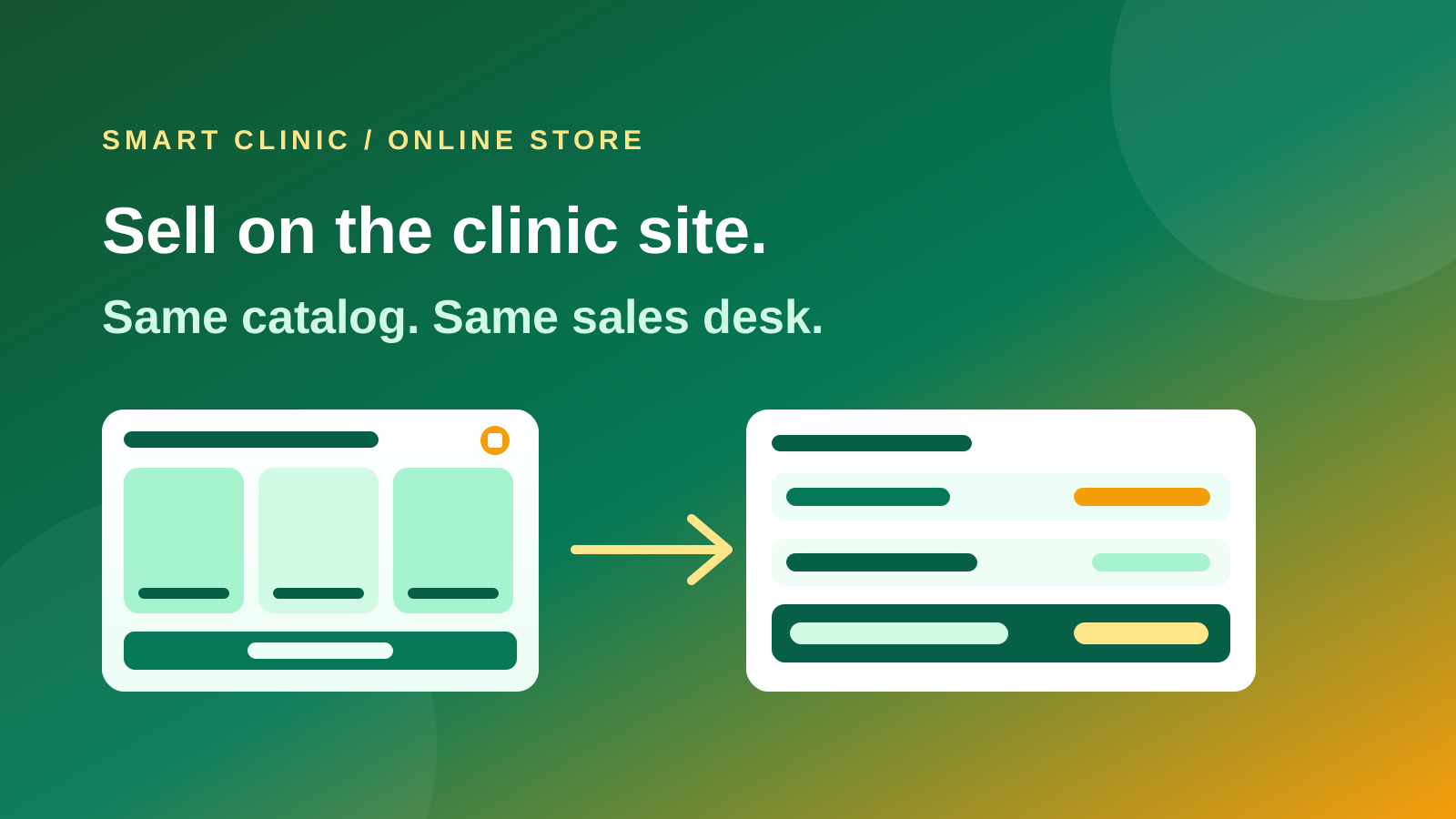
This release is the missing middle. The clinic website can be a store — when you turn that mode on. The shop is one you can actually run: the price shown is the price charged, stock is held while someone pays, tax prints on the invoice, and a customer can return what they bought. The dated changelog is on What’s new. The evergreen page is Website Builder. The catalog itself stays on Inventory.
One shelf, two doors
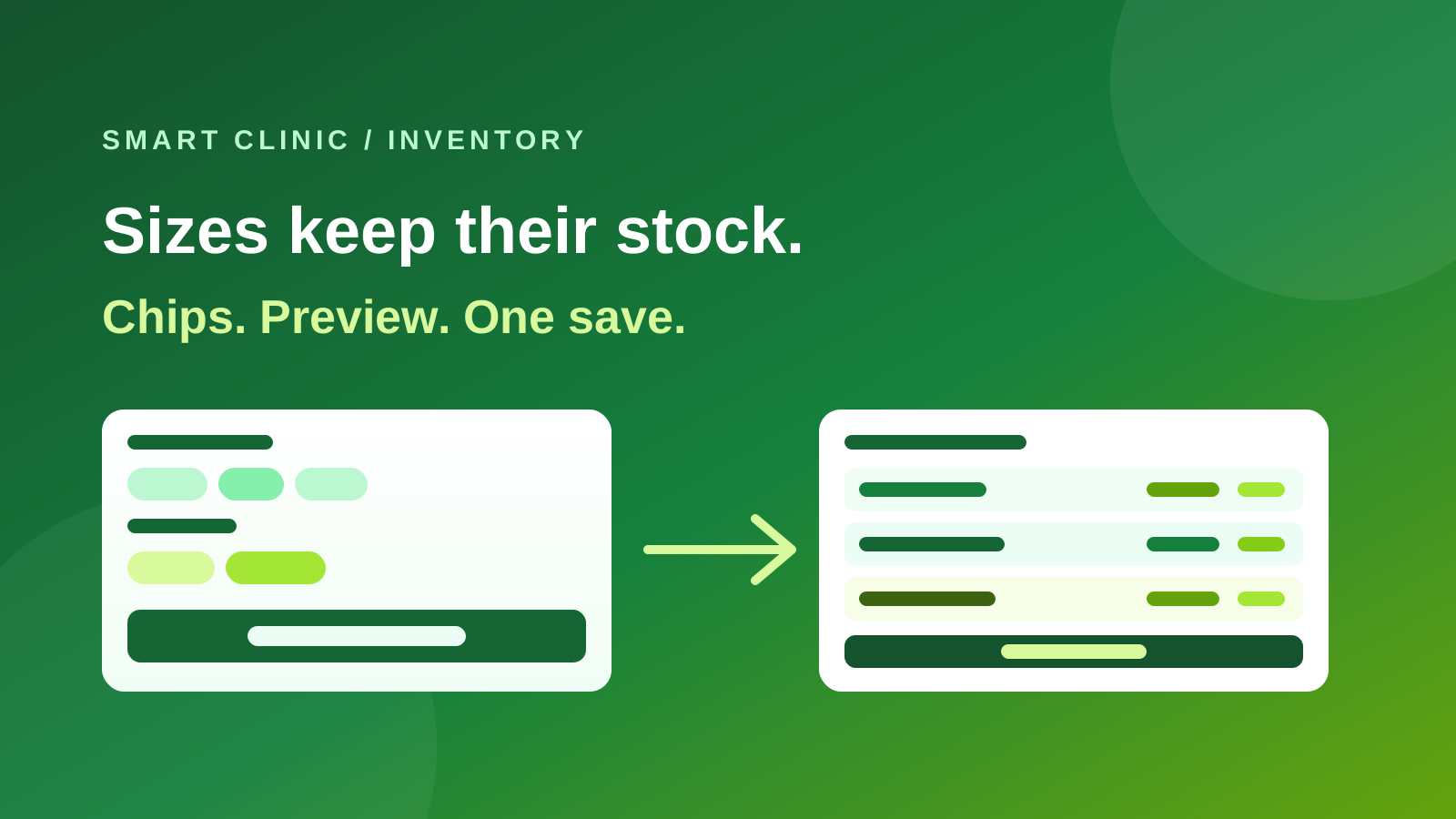
The product is still the product. Public name, gallery, and visibility are extra fields, not a duplicate SKU. Size and colour are variants of that same item, so a transfer, a count, and a website sale all describe one stock row.
The number on the product page is the number on the invoice. If two people reach for the last unit, the second checkout is told it is gone.
Collections are merchandising: a list you curate for the shop page, or a rule that fills itself — under a price, in a category, in stock. They are not a second warehouse.
The shop is a website, not a bolted-on app
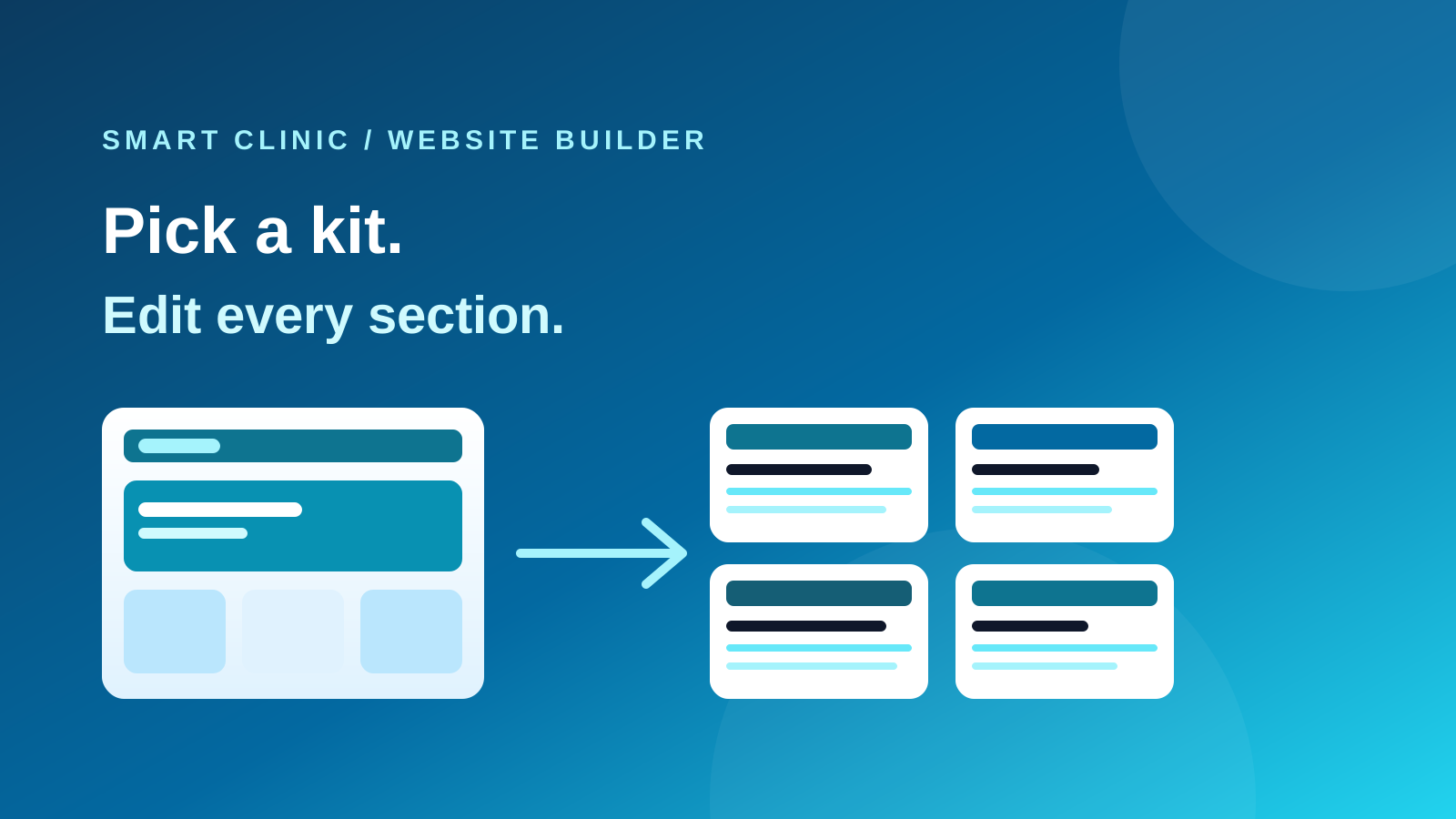
Shop home, product, cart, checkout, and confirmation are visual templates. You design them with the same sections as the rest of the site. Change the product template once; every product follows. That is the same idea as designing the blog once.
Drop a search box on the shop. Shoppers narrow by price, colour, or size, and the filters stay in the link so a receptionist can send “red, large, under 400.” Sell a kit — cleanser plus serum — as one item. Checkout checks every piece, then writes a line for each so a later return knows what came back.
A clinic you sell wholesale to sees, and is charged, the list you assigned. A guest never sees that list.
If the store is off, none of this exists on the public site. No cart icon in the header. No shop in the nav. The informational clinic does not inherit retail chrome.
Guest checkout, then accounts if you want them
Name, phone, email, address. Card, InstaPay, bank transfer, or cash on delivery — the same methods the clinic already offers on invoices. Coupons and automatic discounts are checked again on the server. Shipping can be a zone rate, free above a threshold, or pickup at the branch.
Turn on tax when you sell in Egypt or KSA. Prices can include VAT or add it at checkout. The tax line shows on the cart, the confirmation, the invoice, and the packing slip.
A gift-card code works for anyone who holds it. Store credit sits on the patient wallet. A guest without a file gets a gift card or a refund to the original payment — not a balance with no owner.
A shopper with a patient portal login can see online orders, leave a review after purchase, and recover a saved cart. Abandoned carts can send one WhatsApp. Reviews wait for staff before they go public.
After the sale, the desk does not split
Online orders appear in the sales list you already open, tagged as the online-store channel, with a guest name when there is no patient file yet. Finance sees ordinary invoices. Staff mark fulfilled, add tracking, print a packing slip.
A shopper who lost the confirmation page looks up the order with the order number and the phone or email they used. The link goes to that contact. Inside a return window you set, they ask to send an item back. Staff approve or refuse, take the unit in, and restock it only when it can be sold again. The refund includes the tax they paid.
A customer can cancel before packing starts, and can put a past order back in the cart. When an order is paid, and when it is fulfilled, they can get WhatsApp — not only a page they already closed.
Analytics for the website store — revenue, order count, average value, best sellers, refunds — are a view on those same orders. Refunded and cancelled orders do not inflate the revenue number. You can see sales by size or colour when those options were recorded.
The loyalty programme the clinic already runs can earn and redeem on online orders for a shopper who has a patient file at that clinic. A guest sees what they would earn by claiming a file. Points are not awarded on tax or shipping.
If the clinic fulfils from more than one warehouse, the shop can sell a SKU that lives only in the second one. Pickup still uses the branch the shopper chose.
Two stores, if you already have one
WhatsApp after Salla, EasyOrder, and Shopify is for the catalog you are not moving. This drop is for selling on the Smart Clinic domain. A clinic can run a Salla shop for national retail and a clinic-site shop for in-house brands. The orders do not mix, and they should not.
The practical result is a clinic that can sell the bottle on the same domain that books the appointment — without hiring a second software stack, and without forcing every brochure site to become a shop.